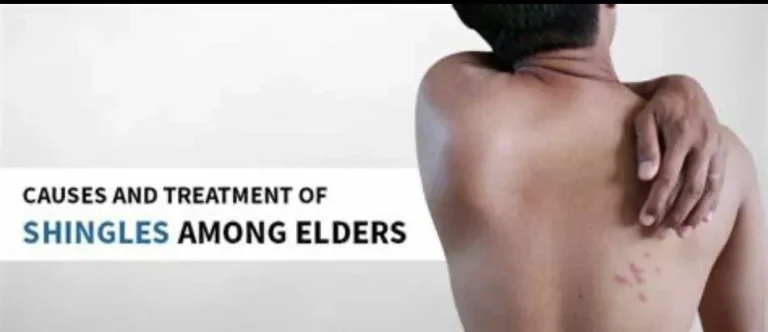
Shingles is a painful rash illness. People get shingles when the varicella-zoster virus (VZV), which causes chickenpox, reactivates in their bodies after they have already had chickenpox.
An estimated 1 million people get shingles each year in this country. Most people who develop shingles only have it one time during their life. However, you can have shingles more than once.
People with shingles most commonly have a rash around the left or right side of the body. The rash is usually painful, itchy, or tingly. of Americans born before 1980 had chickenpox, even if they don’t remember it. Children can have shingles, but it is not common.
Your risk of shingles and serious complications increases:
As you get older. If you have medical conditions that keep your immune systems from working properly such as certain cancers like leukemia and lymphoma, and HIV infection. Shingles is caused by varicella-zoster virus (VZV), the same virus that causes chickenpox. Once a person has chickenpox, the virus stays in their body. The virus can reactivate later in life and cause shingles.
People who never had chickenpox or didn’t get chickenpox vaccine can get infected with VZV from someone who has shingles. These people can get the virus through:
Direct contact with the fluid from shingles rash blisters. Breathing in virus particles that come from the blisters.
Take care of yourself when you do this.
If you have shingles, protect others
Covering the shingles rash can lower the risk of spreading the shingles virus to others. People with shingles cannot spread the virus before the blisters appear or after the rash scabs over.
To prevent spreading the virus to others:
- Cover the rash
- Avoid touching or scratching the rash
- Wash your hands often for at least 20 seconds
- Avoid contact with the following people until your rash scabs over




Your comment will appear immediately after submission.