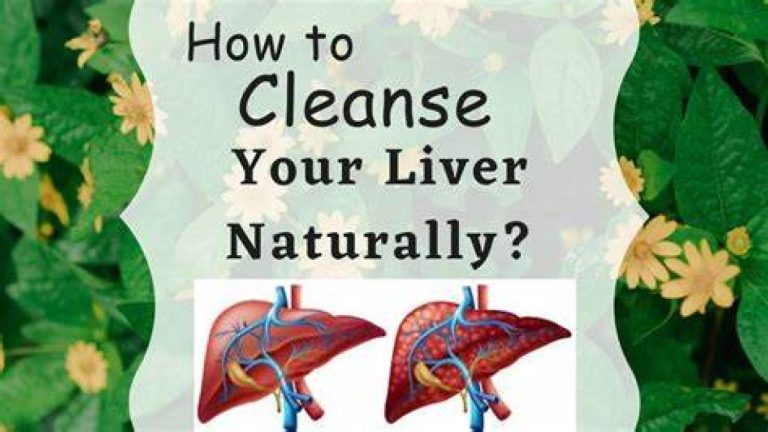
How To Cleanse your liver
How to
Garlic: The Sulfur-Rich Defender
Garlic does more than add flavor to your favorite dishes—it’s a potent liver ally thanks to its high sulfur content. These sulfur compounds trigger liver enzymes that help flush out toxins.
Research published in the journal Advanced Biomedical Research found that garlic consumption can reduce body weight and fat content in people with fatty liver disease. The allicin in garlic also has demonstrated protective effects against liver damage
For maximum benefit, you can crush or chop fresh garlic and let it sit for 10 minutes before cooking to activate its beneficial compounds. Add it to soups, stir-fries, salad dressings, or roasted vegetables. For a simple liver-supporting start to your day, try sautéing minced garlic with leafy greens as a breakfast side.
Leafy Greens: Chlorophyll Powerhouses
Spinach, kale, arugula, dandelion greens, and mustard greens are rich in chlorophyll, which helps neutralize heavy metals, chemicals, and pesticides that may burden your liver.
These greens also contain numerous liver-supporting compounds:
- Glutathione: A powerful antioxidant that helps the liver detoxify harmful substances
- Folate: Supports healthy methylation, a process crucial for liver detoxification
- Vitamin K: Helps prevent liver inflammation and fibrosis
Aim for one cup of raw or half a cup of cooked greens daily. Try a morning green smoothie, a leafy side salad with lunch, or sautéed greens with dinner. Dandelion greens, while slightly bitter, are particularly beneficial for stimulating bile flow and can be added to salads or quickly blanched to reduce bitterness.
Beets: The Crimson Cleansers
The vibrant color of beets comes from betalains, pigments with powerful anti-inflammatory and antioxidant properties that support liver health. Beets also contain betaine, which helps the liver process fats and reduces the accumulation of fatty deposits.
A 2016 study in the journal Nutrients found that beetroot juice protected liver cells from oxidative damage and inflammation. The high concentration of nitrates in beets also supports healthy blood flow, ensuring your liver receives adequate oxygen and nutrients.
Roast beets with a drizzle of olive oil, grate them raw into salads, blend them into smoothies, or try traditional beet kvass—a fermented beet drink that combines the liver benefits of beets with gut-healthy probiotics
Cruciferous Vegetables: Detox Activators
Broccoli, Brussels sprouts, cabbage, and cauliflower contain glucosinolates, which help the liver produce enzymes needed for detoxification. They also provide glutathione, often called the “master antioxidant” that’s essential for liver health.
Research in the Journal of Nutrition found that consuming broccoli sprouts increased the activity of detoxification enzymes by nearly 200%, dramatically enhancing the body’s ability to process and eliminate toxins.
Lightly steam cruciferous vegetables to preserve their nutrients while making them more digestible. Add them to stir-fries, roast them as side dishes, or shred them into slaws. For maximum benefits, include a variety of cruciferous vegetables in your weekly meal rotation rather than focusing on just one type.
Turmeric: The Golden Anti-inflammatory
Turmeric’s active compound, curcumin, has powerful anti-inflammatory and antioxidant properties that help protect the liver from damage. Studies have shown it can help reduce liver fat accumulation and increase the production of bile, supporting the body’s natural detoxification processes.
A 2020 meta-analysis published in the journal Phytotherapy Research found that curcumin supplementation significantly reduced liver enzymes in patients with non-alcoholic fatty liver disease, indicating improved liver function
Citrus Fruits: Vitamin C Champions
Lemons, limes, oranges, and grapefruits are rich in vitamin C, an antioxidant that helps the liver produce glutathione. The citrus flavonoids in these fruits also help protect liver cells from oxidative stress.
Grapefruits are particularly beneficial as they contain naringenin, a compound shown to help break down fats in the liver. Meanwhile, the limonene in lemons stimulates liver enzymes that help flush out toxins.
Start your day with warm lemon water to gently stimulate your liver and digestive system. Add orange segments to salads, use citrus juices in homemade salad dressings, or enjoy a grapefruit half as a refreshing snack. If you’re on medication, check with your healthcare provider first, as grapefruit can interact with certain drugs.
Avocados: Healthy Fat Defenders
Avocados provide glutathione-producing compounds and are rich in monounsaturated fats that help the liver filter out harmful substances. They also contain vitamins E and K, which offer additional protection against liver damage.
Research published in the World Journal of Gastroenterology suggests that avocados contain chemicals that might slow liver damage. The high fiber content also helps the body eliminate toxins through bile and stool, reducing the liver’s detoxification burden.
Olive Oil: Liquid Gold for Liver Health
Extra virgin olive oil is rich in phenolic compounds with powerful antioxidant and anti-inflammatory properties. Studies suggest that it may decrease fat accumulation in the liver and improve insulin sensitivity.
A landmark study published in the Journal of Nutrition found that consuming olive oil reduced the accumulation of fat in the liver, even without weight loss. The phenols in olive oil also help reduce inflammation, a key factor in liver disease.
You can use extra virgin olive oil in salad dressings, drizzle it over cooked vegetables, or use it for low-temperature cooking. For a liver-friendly boost, combine olive oil with lemon juice and minced garlic as a simple dressing for leafy greens.
Green Tea: Catechin Infusion
Green tea is particularly rich in catechins, plant compounds with powerful antioxidant properties. The most abundant catechin, EGCG (epigallocatechin gallate), has been shown to support liver function and prevent fat accumulation.
Oats: Fiber-Rich Cleansers
Oats contain beta-glucans, a type of soluble fiber that helps reduce cholesterol levels and prevents fat accumulation in the liver. They also provide compounds called avenacoside that may protect liver cells from damage.
Research in the International Journal of Molecular Sciences found that oat consumption improved liver function and reduced inflammation in individuals with fatty liver disease. The fiber in oats also binds to toxins in the digestive tract, helping remove them from the body.
Start your day with a warm bowl of oatmeal topped with berries and walnuts for a triple liver-supporting breakfast. Use oat flour in baking, add oats to smoothies for thickness, or make savory oat risotto as an alternative to rice dishes.
Coffee: Unexpected Liver Protector
Numerous studies have shown that coffee consumption is associated with a lower risk of liver disease. Coffee appears to protect against fatty liver disease, liver fibrosis, cirrhosis, and liver cancer.
The protective effects are attributed to various compounds, including caffeine and kahweol, which stimulate the production of liver enzymes involved in detoxification. Coffee also helps prevent the accumulation of fat and collagen in the liver, two markers of liver disease.
Limit consumption to 2-3 cups daily, preferably organic and without added sugar or artificial creamers. For maximum benefits, enjoy coffee black or with a small amount of unsweetened plant milk. If caffeine sensitivity is a concern, even decaffeinated coffee has shown liver benefits, though to a lesser extent.

Your comment will appear immediately after submission.