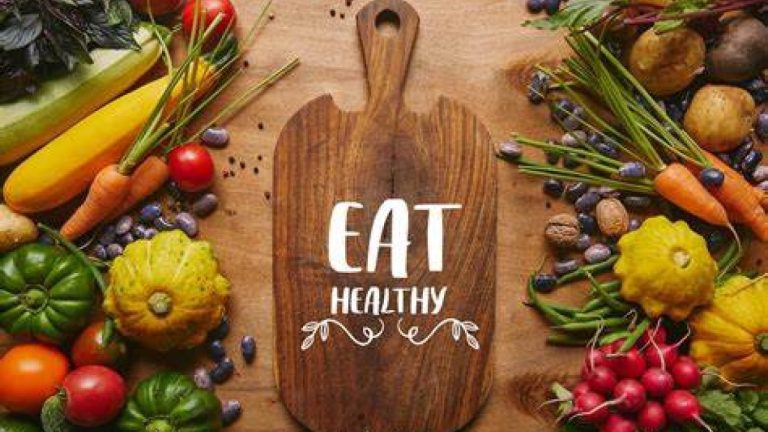
Become a flexitarian.
Numerous studies have shown that a plant-based diet is healthiest, but you can still get many of the benefits even if you don’t go full-on vegetarian. Following a semi-vegetarian diet that includes fewer animal products but doesn’t completely cut them out may help you keep your weight in check as well as lower your chances of high blood pressure.
Expand your palate’s palette
Dietary guidelines recommend that half of what’s on your plate at any meal be vegetables or fruits. But it’s also important to mix things up. While all fruits and veggies are healthy, they don’t all have the same nutrients. Give yourself the widest range of benefits by eating different-colored produce throughout the day
Less sugar, more water
It’s a good idea to avoid added sugar in whatever you eat, yet soda, sports drinks, and energy drinks may be a bigger source than you realize. Some studies show that just a soft drink or two a day makes you 26% more likely to get type 2 diabetes. Sugary drinks have also been tied to heart attacks, gout and obesity. Stay hydrated with water or, if you miss the fizz and taste, naturally flavored seltzer.
Move more, sit less
That’s the physical activity guidelines in a nutshell. While at least 150 minutes a week of moderate exercise is ideal, experts say that any movement is better than nothing. So make it a point to stand up more often and stretch, park a bit farther from your destination for extra steps, and explore new pastimes that will help put you in motion.
Get enough rest.
Sleep is often low on the list in our nonstop society, but it’s a must for good health. Chronic sleep deprivation raises the odds for heart disease, diabetes, stroke , obesity, and many other sicknesses. Getting your ZZZs also helps keep you safe: Driving while sleepy is just as bad as driving drunk. If you don’t usually wake up feeling refreshed, try slipping into bed 15 minutes earlier every week until you do.

Your comment will appear immediately after submission.