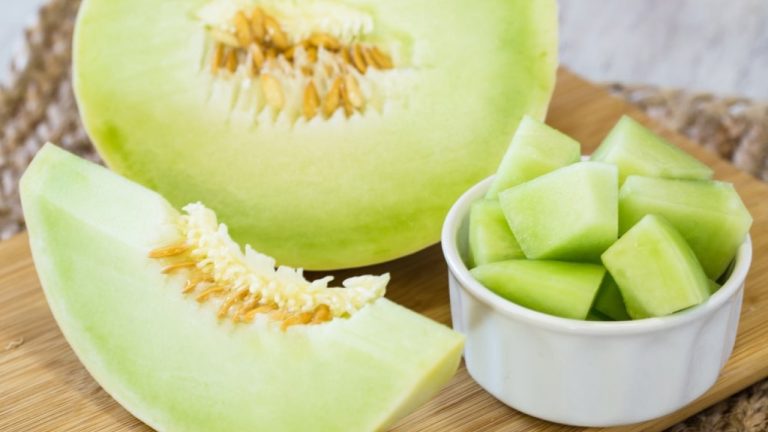
Honeydew melon offers hydration, antioxidants, fiber, vitamins, and minerals. It has been shown to improve digestion, blood pressure, and immunity
Adults who stay well-hydrated may be less likely to develop chronic conditions like heart and lung disease. They are more likely to live longer than those who do not consume enough fluids.
National Heart, Lung, and Blood Institute. Good hydration linked with longevity.
Drinking water and getting it through hydrating foods like honeydew melon also helps lubricate and cushion your joints.
One cup of diced honeydew melon provides about a third of the daily requirement for vitamin C, which supports your immune system. Your immune system needs vitamin C to respond to germs like bacteria, viruses, and fungi.
Vitamin C’s antioxidant properties also protect against cell damage and lower your risk of chronic disease
Honeydew melons are very low in sodium and high in potassium, both of which help manage blood pressure.
Too much sodium can increase blood pressure. Potassium helps your kidneys get rid of excess sodium. Potassium also eases tension on blood vessel walls, which further lowers blood pressure.
Melons, including honeydew, activate the production of nitric oxide. Nitric oxide relaxes smooth muscles, including blood vessels. Eating more fruits and vegetables that produce nitric oxide may help prevent and treat hypertension (high blood pressure)
Eating fruits like honeydew melon may help control blood sugar and prevent or manage diabetes.
Eating fruit may support insulin sensitivity (how well insulin works to clear sugar from the blood) and help prevent diabetes. Eating fresh fruit has also been shown to prevent complications and death in people with type 2 diabetes.
Eating fruit changes the gut microbiome in ways that lower type 2 diabetes risk. The gut microbiome is the collection of bacteria that live in your digestive system.
Honeydew melon contains several nutrients that help form and maintain strong bones, such as:
- Magnesium
- Potassium
- Vitamin C
- Vitamin K
Vitamin C has been shown to lower your risk of hip fracture and osteoporosis (bone disease). It also helps increase bone mineral density of both the neck and spine
The vitamin C in honeydew melon may have anti-inflammatory effects, which contribute to healthy skin. Skin cells depend on vitamin C to regulate collagen and elastin balance, which gives skin its volume and shape.
Too little vitamin C can lead to poor skin healing and inflammation. Aged or sun-damaged skin often contains lower vitamin C levels, but the exact link is unknown.
A higher intake of fruits and vegetables has been shown to decrease signs of skin aging. It can improve skin tightness, tone, and color.
Honeydew melon is a source of vitamin A, which is essential for eye health. Vitamin A helps make pigments in your eye’s retina, which processes light into the images you see. It is especially important for seeing in low light
People with a vitamin A deficiency are more likely to have vision loss. Eating honeydew melon as part of a balanced diet can increase your intake and promote good eyesight.
The nutrients in 1 cup of diced honeydew melon include:
Protein: 0.918 g, or 1.83% of the DV
Calories: 61.2
Fat: 0.238 g, or 0.31% of the Daily Value (DV)
Sodium: 30.6 mg, or 1.33% of the DV
Carbohydrates: 15.5 g, or 5.64% of the DV
Fiber: 1.36 g, or 4.86% of the DV
Added sugars: 0 g, or 0% of the DV

Your comment will appear immediately after submission.