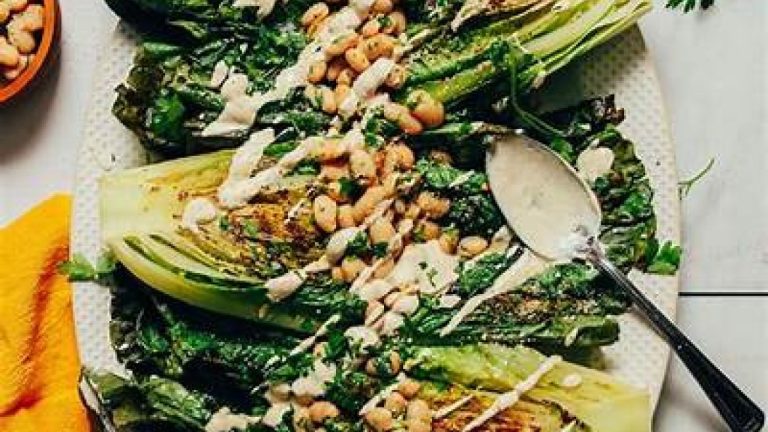
Romaine lettuce which is often called “cos lettuce” in some parts of the world, is a variety of lettuce from the Longifolia/Asteraceae plant family. This type of lettuce grows in a tall head of sturdy leaves and has signature firm ribs down the center.
Is Little Gem lettuce the same as romaine? Little Gem is one of many varieties of romaine lettuces, most of which are deep green with long leaves and a crisp texture. The taste of romaine lettuce is described as mild by some but deep in taste by others.
Is romaine lettuce considered a superfood? While it might not provide as many nutrients as some other greens, there are still many romaine lettuce benefits. For example, it’s a good source of vitamin A and vitamin C — two powerful antioxidant that play a critical role in maintaining the function of many parts of the body.
They do this by fighting free radicals that can contribute to the development of health conditions, such as cancer, heart disease and arthritis. Romaine also contains vitamin K, potassium, calcium, magnesium and phosphorous.
One cup (about 47 grams) of shredded romaine lettuce nutrition
- Calories: 8
- Total Carbohydrates: 1.6 g
- Fiber: 1 g
- Sugar: 0.6 g
- Total Fat: 0.14 g
- Saturated Fat: 0.02 g
- Polyunsaturated Fat: 0.08 g
- Monounsaturated Fat: 0.01 g
- Trans Fat: 0 g
- Protein: 0.6 g
- Sodium: 3.8 mg (0.2% DV*)
- Vitamin K: 47.9 mcg (40% DV)
- Vitamin A: 205 mcg (23% DV)(
- Folate: 63.9 mcg (16% DV)
- Manganese: 0.1 mg (4% DV)
- Iron: 0.5 mg (3% DV)
- Potassium: 116 mg (2% DV)
- Vitamin C: 1.9 mg (2% DV)
*Daily Value: Percentages are based on a diet of 2,000 calories a day.
Romaine vs. Other Greens
Many people know that certain lettuces, like iceberg lettuce, tend to be lower in nutrients that other varieties, and sometimes people can confuse romaine lettuce as falling into this low-nutrient category. So what is the most nutritious type of lettuce?
- Which is better for you: iceberg or romaine lettuce? Compared to iceberg lettuce nutrition, romaine lettuce nutrition is a richer source of vitamin K, vitamin A, vitamin C, potassium, folate and other micronutrients. The two are comparable in terms of calories, carbs, etc.
- What’s healthier: kale or romaine? Generally speaking, a good rule of thumb is that darker, heartier, bitter greens (like kale, mustard greens, collard or chards) tend to supply more antioxidants and fiber than lighter greens.
- What about romaine lettuce vs. spinach? Spinach is a great source of vitamin K, C, A and folate. While romaine also provides these nutrients, spinach is a richer source.
- Keep in mind that many people enjoy mixing together different types of greens — such as escarole lettuce and other leafy greens — in order to obtain lots of micronutrients. This is a good way to enjoy a mix of textures and tastes in salads and other recipes.
Top 10 Health Benefits
1. Excellent Source of Antioxidants
Just one cup of romaine lettuce nutrition provides a strong dose of vitamin A and even helps you get to your vitamin C needs. These vitamins are partly responsible forgene regulation and cell differentiation, and they work to stop free radical damage from overwhelming the body and leading to disease.
Both vitamins are responsible for aidinghealthy eyesight and skin and play a role in maintaining strong bones and boostingimmunity. Studies show that these vitamins also help reduce inflammation and oxidative stress, which can cause tissue and cellular damage.
Additionally, romaine lettuce seeds and leaves have been found to contain phenolics, which are now being used to create extracts for various purposes, including reducing oxidative stress and promoting sleep.
2. Helps Prevent Bone Loss
Leafy greens are often considered the best natural vegetable sources of vitamin K. Romaine lettuce nutrition is no exception to this since it’s a great source of bone-building vitamin K.
In fact, studies have shown that vitamin K2 can help boost bone density and prevent osteoporosis even better than calcium can.
In addition to building and maintaining a healthy skeletal structure, vitamin K plays a vital role in blood clotting, treating bruises, aiding in bone calcification and helping prevent certain diseases.
3. Boosts Heart Health
Romaine lettuce nutrition is a great source of folate, also sometimes called folic acid. Folate is a type of B vitamin that is used by the body to convert homocysteine, which when unconverted can lead to heart problems, including damaged blood vessels and dangerous plaque buildup.
Romaine lettuce nutrition also supplies vitamin A and vitamin C, two antioxidants that play a role in heart health by oxidizing cholesterol and keeping arteries strong.
These antioxidants help prevent buildup in the artery walls that form plaque. They also increase blood flow and help prevent blood clots, heart attack and stroke.
The rich supply of vitamin A, vitamin C and carotenoids like zeaxanthin found in romaine lettuce nutrition may help protect against eye disorders. Deficiencies in these antioxidants can lead to a thickening of the cornea, glaucoma, cataracts, macular degeneration and possibly even blindness as one ages.
Certain studies have shown that antioxidant beta-carotene, the form of vitamin A found in plants, plays a big role in preventing macular degeneration, the leading cause of age-related blindness. Research shows that people who consume vitamin A and vitamin C from a healthy diet or supplementation are less likely to suffereye damage as they age.
The high amount of vitamin A found in romaine lettuce nutrition is supportive for skin health, as research shows that a deficiency in this critical vitamin can lead to a poor complexion. Vitamin C also helps build collagen in the skin, which is responsible for building firm, healthy skin and preventing loss in elasticity.
Both of these antioxidants work together to stop cell damage that can lead to skin cancer. Additionally, romaine lettuce nutrition supplies nutrients that help defend against acne and inflammation, including vitamin A, vitamin C, potassium, B vitamins and more.
Romaine lettuce nutrition may help to get rid of acne since it has a low score on the glycemic index — whereas a diet filled with foods high on the glycemic index, including a lot of sugar, has been shown to be related to acne flare-ups.
Studies have shown that the chlorophyllpigment in dark leafy greens, such as romaine lettuce, may reduce the risk of developing certain cancers, including colon cancer and liver cancers. Research also shows that diets low in green leafy vegetables are associated with an increase of cancer risk.
Antioxidants vitamin A and vitamin C may also help treat several forms of cancer thanks to their ability to control malignant cells in the body and protect against DNA damage.
A diet high in antioxidants like vitamin A and vitamin C found in romaine lettuce nutrition has been correlated with a decreased risk for lung, prostate, breast, ovarian, bladder, oral and skin cancers
Consuming enough folate, like the type found in romaine lettuce, has been shown to help prevent several birth defects and promote a healthy pregnancy.
Research shows that folate does this through contributing to an adequate birth weight of the fetus, healthy neural tube formation, and the proper development of the fetus’s face and heart. For pregnant women, a deficiency in folate (also called vitamin B9) can lead to neural tube defects, such as spina bifida.
There is actually a difference between folate, the natural form of multiple B vitamins, and folic acid in terms of health benefits. While many people think that they are interchangeable and both are important for a healthy pregnancy, folate is the preferred source naturally found in foods.
When people consume large amounts of folic acid through vitamins and synthetically fortified foods, the body cannot break it down, and then elevated levels of unmetabolized folic acid remain. This is problematic for all people, especially pregnant women, and has been linked with an increased risk for developing cancer and other illnesses.
A folate deficiency can also contribute to the formation of anemia (poorly formed red blood cells), poor immune function and poor digestion in those who are not pregnant. To combat these illnesses, get folate naturally from whole food sources, including leafy greens like romaine lettuce.

Your comment will appear immediately after submission.